Some friends came by with a traditional gift for me, the new mother. The gift was very formally introduced as often is the case with traditional stuff here in Ghana.
Sitting down in plastic chairs in front of our house and pretending like we did not know what was coming, although they had called ahead asking if they could come by with a gift, we greeted them with a longish account of what we had been up to and then listened to their story: “we have come to greet the new mother…”
When formal introductions and description of intent was behind us, I was led to their pick-up and informed of that what was there was for me:
– a crate of eggs
– a big bag of charcoal
– several tubers of yam
– a bottle of whisky
I was advised to drink some whisky every morning and ask my father-in-law for the meaning of my gift.
But to me, it was pretty clear that the gift symbolizes living the good life – filled with food, warmth and the occasional bitter medicine to make everything all right again – something we wish for our daughter.
Last year, I suggested the institute should have a presence on social media and set up a Facebook account and a Twitter handle @IASUG (at the time, I could not believe my luck to get such an appropriate 5 letter handle!). I managed the accounts over the 2013 African Studies conference (keynotes also available on YouTube) and then handed it over to the institute.
Now, however you can get more than photos and 140 character snippets – Thanks to new seminar coordinator Dr. Obádélé Kambon – you can experience IAS from the comfort of any place with Internet!
Walking out of the plane at Kotoka Airport, we were met by the West-African dark and warm night – it’s like getting a giant hug! At the terminal building, we were welcomed with Ebola-screening and Yellow Fever vaccination controls, winding immigration cues but at the chaotic luggage pick-up, Godwin in an orange vest very professionally found my luggage before I did, expertly stacked the four heavy suitcases on one trolley and escorted us out in record time.
I will never forget the joyous sprint my daughter did into her fathers stretched out arms.
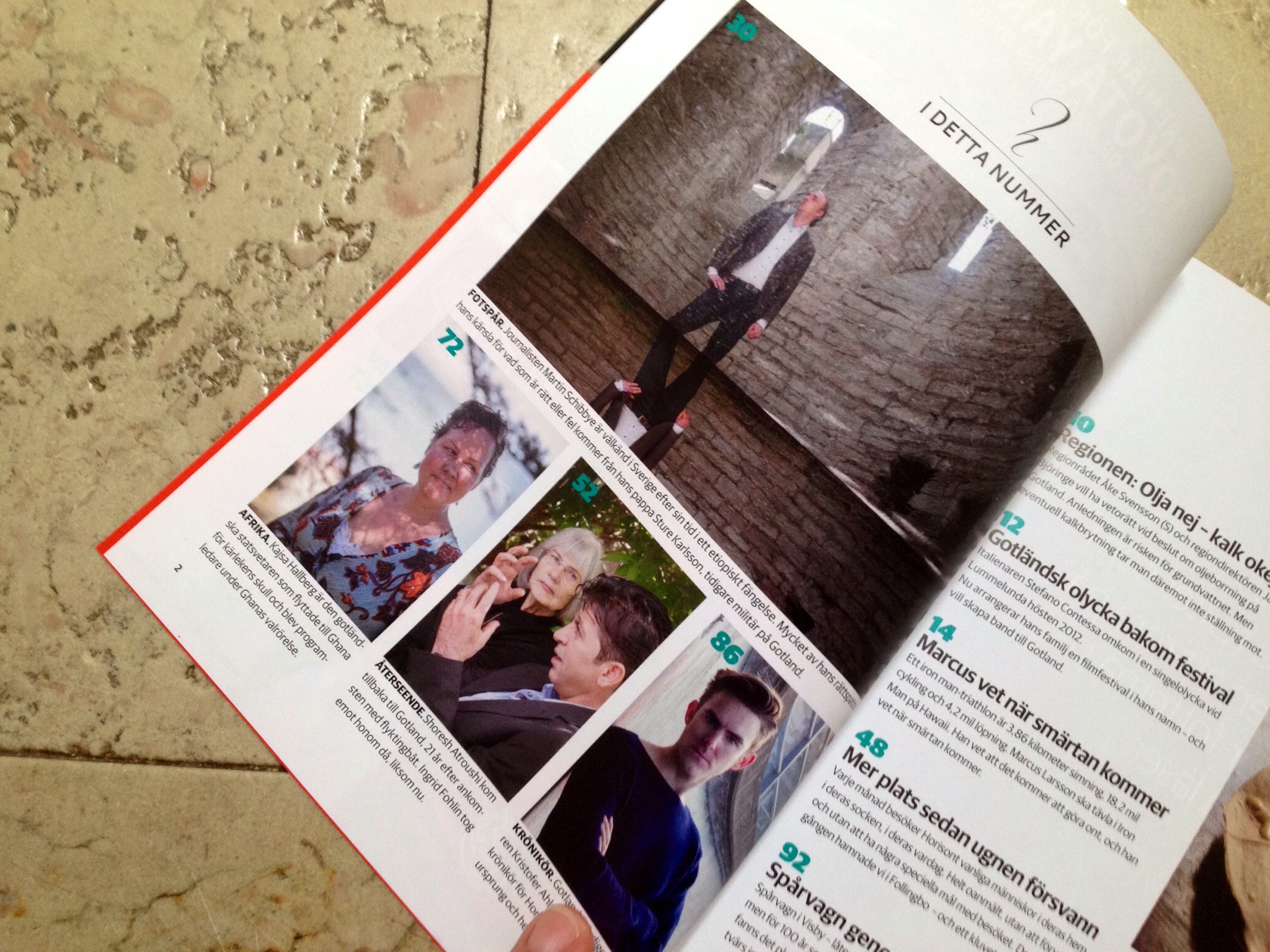
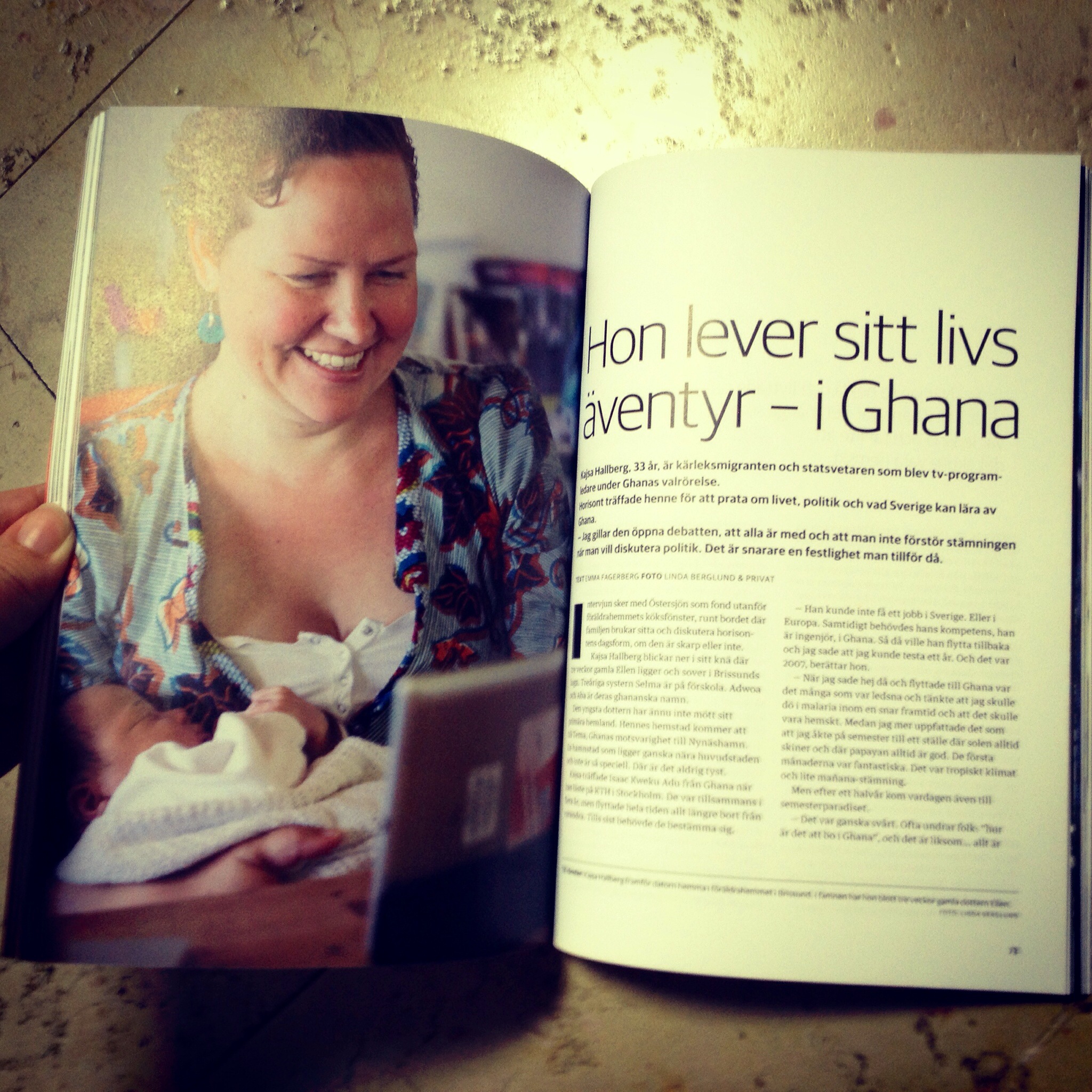
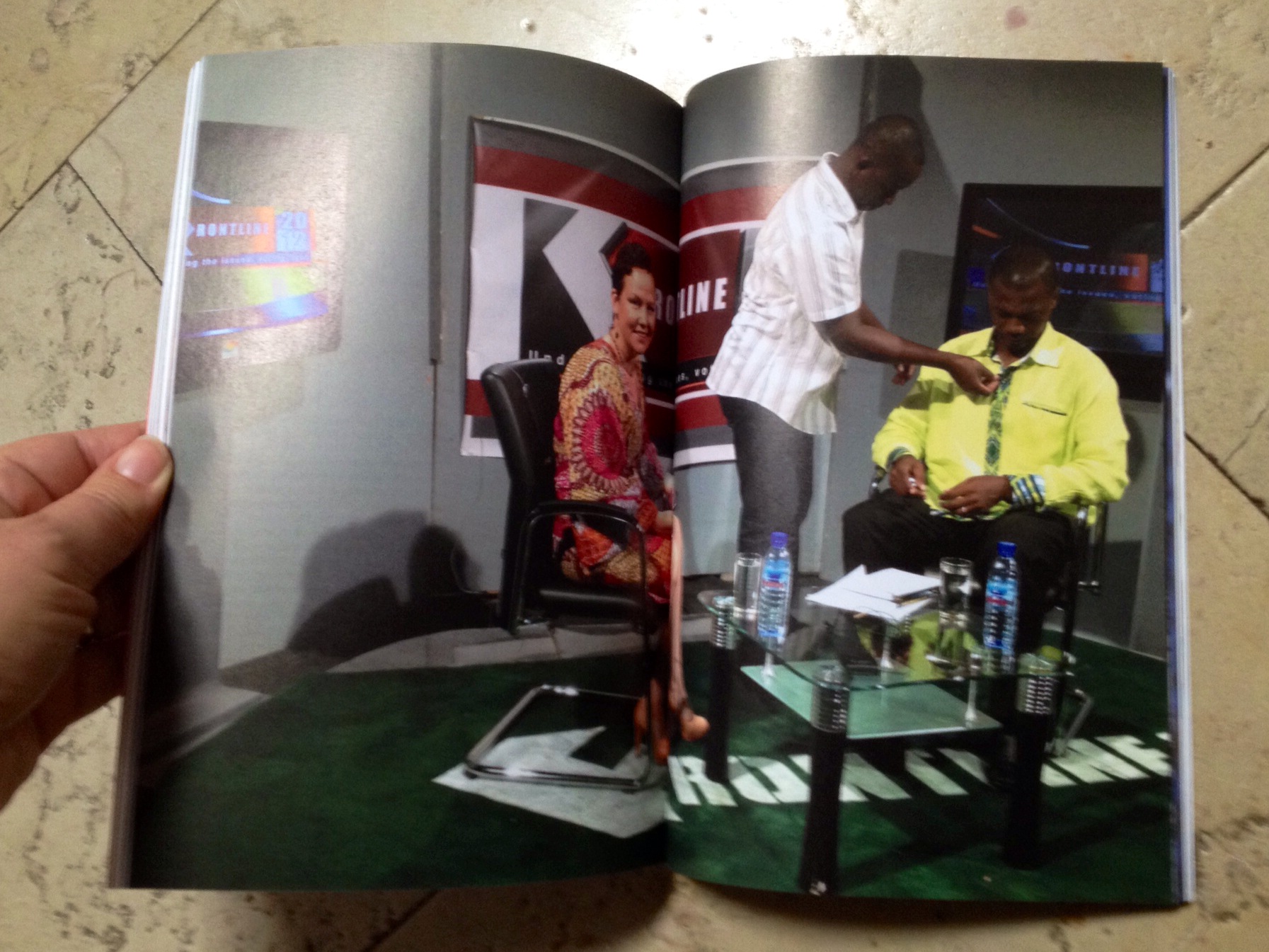
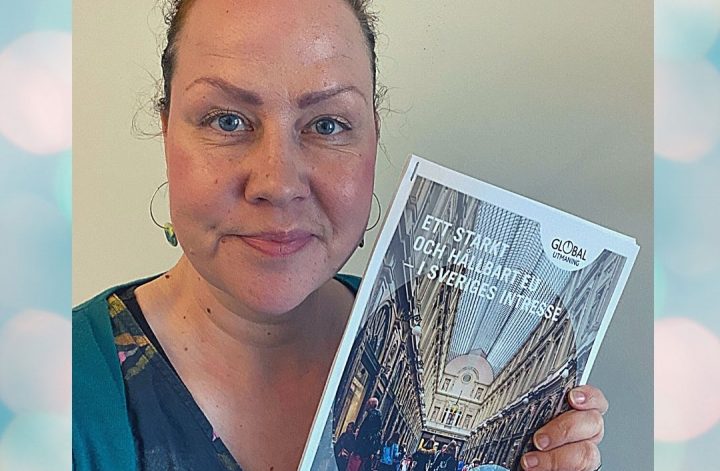
Some weeks ago, I was interviewed for the Swedish magazine Horisont (=horizon in English) about my life in Ghana. They focussed on Ghanaian politics and my personal adjustment to a new country – mixed with full spread photos. Now “my” issue is out!
Here is a sneak peak.
The feeling of seeing one’s own words as captured by a journalist in print is hard to describe. My father sometimes talks about how our time is one of celebrity or wanting to be famous. I guess something like this then is a jackpot. On the other hand, it becomes very clear – when on this side of the magazine – that even those interviewed over colorful spreads of glossy paper are mere mortals.
Today, I was the lucky chosen Tweep to share my day with BloggingGhana’s 14100 followers on Twitter. I enjoyed it, and think you, my dear blog reader, might also enjoy my story. To read chronologically, start from the bottom of this post!
A cool think was the Camerooninan student that was following the conference on Twitter. He got this (photo of a) beer from me for dedication to academia!
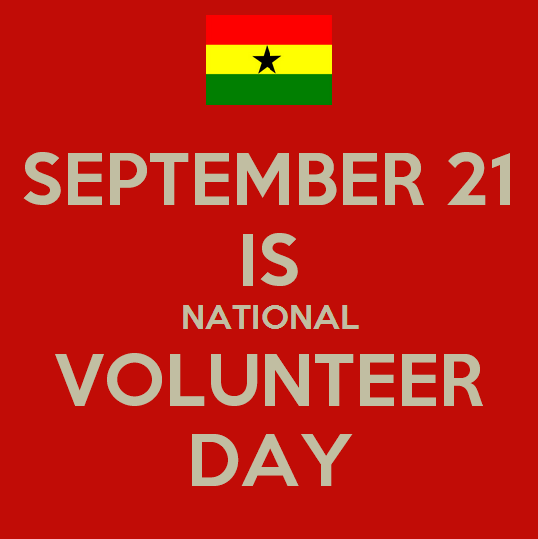
In commemoration of Ghana’s first president Kwame Nkrumah who was born on Sept 21 in 1909, the productive GhanaThink group organises volunteers to make Ghana better.
In Ghana, September 21 is always a holiday, Founder’s Day, but just like most other Ghanaian holidays, not a very productive one…Nkrumah would likely turn in his grave if he saw Ghanaians drinking beer, sleeping or going to the beach, when he was all about hard work to make Ghana a better place to live.
What? Volunteer When? 20-22 Sept, 2014 Where? All over Ghana
Through this eventbrite site, you can list a project of your own or find one to join!
Now elections are concluded and “a parliamentary nightmare” ensues as no political block gains a majority of the votes. Although the Socialdemocrats as the biggest party will get to form a government, the situation is tricky. Whatever coalition will be weak – in numbers or likelihood of getting along.
The Sweden Democrats, a relatively new, populist party with reducing immigration as their main election promise, is the big winner of the election and sweeps all most 13% of votes.
The Feminist party doing their second national election was close to getting into the parliament, but came some 0,8% shy.
As a political scientist, elections are always interesting. This one might be a game changer as it breaks up the left and right block to cooperate against the populists.
The result was expected, but still disappointing. The snacks we had bought for the “valvaka” or election night were left in the kitchen. I’m not hungry.
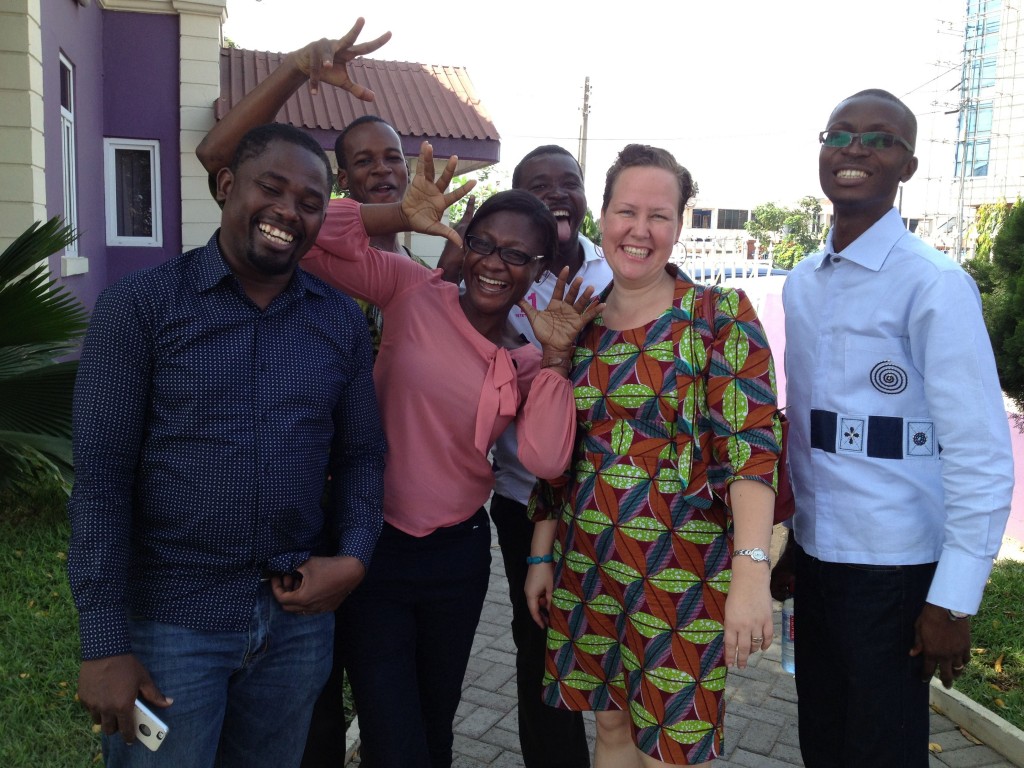
I first met Umaru last summer at his workplace radio station Citi FM in Accra. I was much impressed with his work (cool when phones start to ring non-stop, quick when to determine what big man or woman to follow up with, a good discussant on critical issues, wide smile) and glad to hear his efforts have been acknowledged internationally.
Umaru Sanda has been invited to attend World Water Week in Stockholm to accept the WASH award given for outstanding reporting on water and sanitation issues. With the current cholera outbreak I don’t know what other topic than the (relentless) quest for clean water could be more critical at the moment.
He received the award based on documentary Water Wahala which you can listen to here:
I have been upset about this issue before and how there seems to be no political will what so ever to change it. Here are posts from 2011, 2010 and 2009.
I am happy this fine journalist also got to see my native Sweden. Ayekoo, Umaru!
Photo: Umaru in the back, hand in the sky! July 2013
This time of year, millions of students across the globe start their academic year, so also on a hill in the small town of Berkuso in Ghana for students of Ashesi University College. As I teach mostly freshmen, I think of their journey – even during parental leave days filled with baby wipes, small socks and feedings.
In my head, there’s like, this group of the ‘cool Ghanaians’ […] Should I start calling out names? Deborah Frempong, Paapa, Michael Annor, Jessica Boifio, Lauretta (the coolest ballet teacher in the world), Kobla (the creator of Oware 3D) etc… The list goes on. But what most – though certainly not all – of the names I have in mind have in common is Ashesi.
First theory: when you get accepted into Ashesi, they perform numerous strange juju rituals over your documents and then let you join the cult, making you automatically cool.
Second theory: the GMI (I just made that up. It stands for Ghana Military Intelligence) comes to Ashesi to ‘talk’ to all the new recruits, and deliver the top secrets of the keys to success as a Ghanaian and swear them to secrecy.
Third theory: The teachers and the way they teach the students are cool.
Of course, this is the least exciting of all the theories, but whatever. Apparently, people like to be ‘realistic’ or something weird like that. Erm…
To this least exciting theory that the writer later zooms in on, I would like to add three things:
Yep, teachers at Ashesi are cool. To the list of (very cool) lecturers such as Dela Kumahor, Kobina Graham and Ayorkor Korsah, I want to add virtually all other faculty. Their varying backgrounds, spark in eye and motivations make them amazing! In addition, I’d say all staff too are cool. (To get to know us better, check out staff and Arts and Sciences, Business and Computing faculty on the Ashesi Website).
Yep, the way we teach at Ashesi is different, we follow the liberal arts method – you learn a lot about many things, about the world around you, about different ways of thinking (statistics, history of ideas, programming, leadership…), about problem solving, about working together, about questioning what is. You learn for life, not for the exam (hopefully).
Finally, the cool Ghanaians mentioned in the list – many of who I am proud to say have been my students – are indeed cool, but not because of interaction with cool faculty and staff at Ashesi, nor because of the Liberal Arts the have imbibed, but because they have been encouraged over four years to grow THEMSELVES. To be who they really are. To not be afraid of their ideas. To take themselves seriously and as much as possible do the best they can for a brighter future. And that is powerful. And quite cool.
Around this time, more than 100 freshmen are trying to find their way around the green Ashesi campus, get to know their classmates and check out kilos of books from the library. (I am at home, comforting a baby and picking up Lego from the floor). It might not seem so, but for these students, these are the first steps to coolness and an exciting journey into themselves.
Ps. Akotowaa, I was impressed by your on point observations after just one week on campus. I am guessing you might apply to join Ashesi full time? And also you are a swell blogger, why not join BloggingGhana?
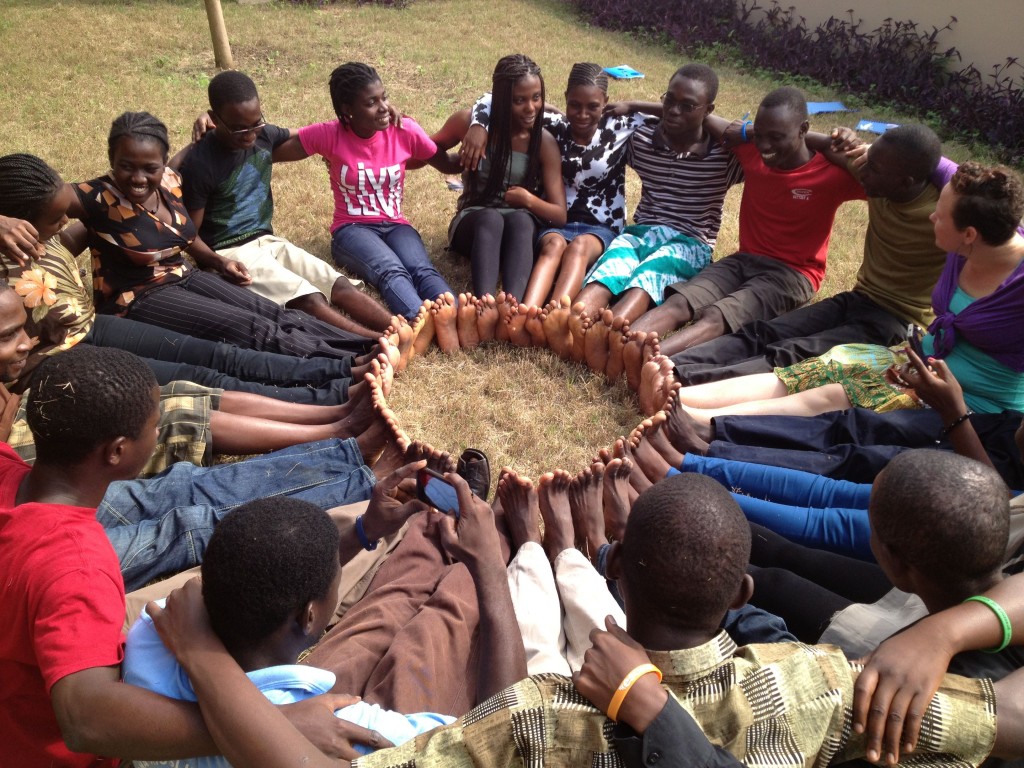
Photo from a summer course I taught at Ashesi last year.
In August, the Jamestown area of Accra is blessed with the Chale Wote street art festival (“chale wote” is slang for flip-flops). It is a vibrant, exciting and young event – I’m sad I was so far away this year!
However, Mesh Ghana provides a vibe from the festival in less than two minutes. Thank you!
“Times are hard!”
“It’s someway bi!”
“Chale, where do I start?”
In a recent blogpost, I narrowed the political situation in Ghana down to rampant inflation.
I wanted to explain how inflation makes life hard, how trust in money is related to (lower) life quality for Ghanaians but Sarkodie beat me to it with this rant:
Worth highlighting is how FEW (fuel, electricity and water) problems have not been solved, inflation quickly become serious for the poorest.
What I maybe miss in Sark’s angry rap is the good aspects of inflation, long term they are there! It allows Ghanaian companies to compete with formerly cheap imports making Ghana a producing country again. It makes Ghana cheap for tourists. It makes remittances from relatives abroad last a little longer. Hopefully.




 I first met Umaru last summer at his workplace radio station
  This time of year, millions of students across the globe start their academic year, so also on a hill in the small town of Berkuso in Ghana for students of Ashesi University College. As I teach mostly freshmen, I think of their journey – even during parental leave days filled with baby wipes, small socks and feedings.